A Revolutionary Discovery
In November 1967, Jocelyn Bell notices an unusual signal in the data from the radio telescope she had herself helped build. This pulsed signal, extremely regular, came from a fixed point in the sky. Initially nicknamed "LGM-1", it turned out to be the very first pulsar ever detected.
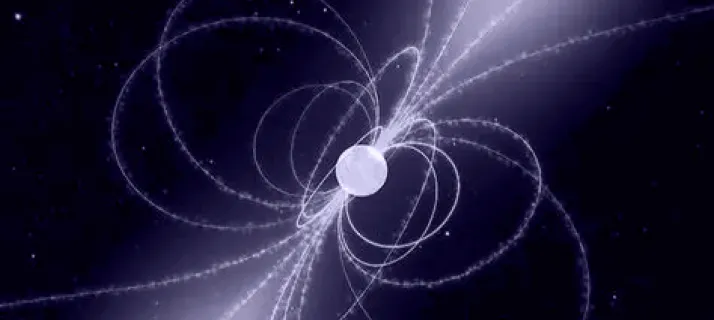
Pulsars are ultra-fast rotating neutron stars that emit beams of electromagnetic radiation. Her discovery opened a new field of study in astrophysics.
What is a pulsar?
The Matilda Effect in Action
In 1974, the Nobel Prize in Physics is awarded to Antony Hewish and Martin Ryle. Jocelyn Bell, despite being the origin of the discovery of pulsars, is excluded from this recognition.
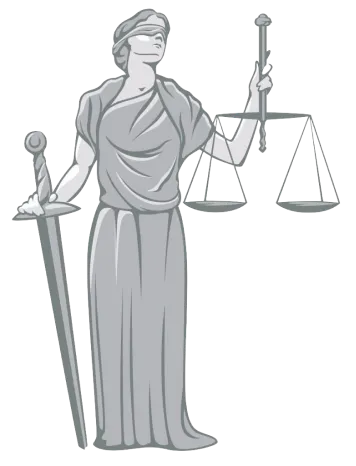
This case became an example of the Matilda Effect: the minimization of the contributions of female scientists. Several scientists criticized this decision.
"The Nobel Prize is given for scientific leadership and not for the discovery itself."

An Inspiring Legacy
Despite this injustice, Jocelyn Bell Burnell pursued a brilliant career. In 2018, she receives the Special Breakthrough Prize in Fundamental Physics (3 million dollars) and donates the entire amount to create scholarships.
Her story continues to inspire and reminds us of the importance of fairly recognizing the contributions of all researchers.



 Other Matildas